Sandblasting Cabinet Safety Guide: Best Practices for Safe and Efficient Abrasive Blasting Operations
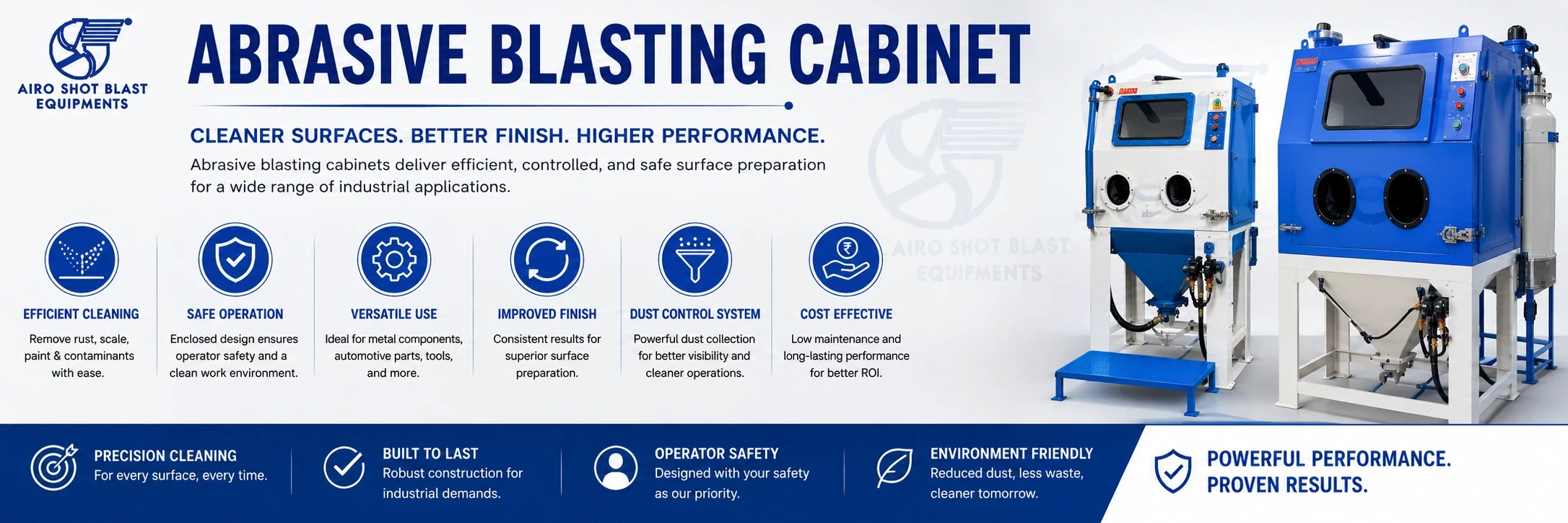
Abrasive blasting is one of the most effective methods for cleaning, surface preparation, rust removal, deburring, and finishing various materials. While sandblasting cabinet blasting systems provide a safer and more controlled environment than open blasting, proper safety procedures remain essential. Following a comprehensive Sandblasting Cabinet Safety Guide helps protect operators, improve workplace efficiency, extend equipment life, and ensure compliance with industry safety standards.
Whether you operate a small workshop or a large manufacturing facility, understanding cabinet blasting safety is critical for maintaining productivity while minimizing risks associated with abrasive blasting operations.
Why Safety Matters in Cabinet Blasting
Sandblasting cabinets are designed to contain abrasive media, dust, and debris within an enclosed workspace. However, operators still face potential hazards if equipment is not used correctly. Dust exposure, improper maintenance, damaged components, and unsafe operating practices can create safety concerns and reduce blasting performance.
A well-maintained blasting cabinets combined with proper operator training significantly reduces workplace accidents while improving blasting quality and efficiency.
Organizations such as OSHA (Occupational Safety and Health Administration), NIOSH (National Institute for Occupational Safety and Health), and ISO have established guidelines that emphasize safe abrasive blasting practices and proper dust management.
Choosing the Right Blasting Cabinet
Selecting the proper blasting cabinet is the first step toward creating a safer abrasive blasting environment. Important factors include:
- Cabinet construction quality
- Viewing window design
- Dust collection capability
- Abrasive recovery system
- Operator accessibility
- Safety interlocks
A well-designed cabinet reduces operator exposure while providing better control over blasting operations.
Personal Protective Equipment Requirements
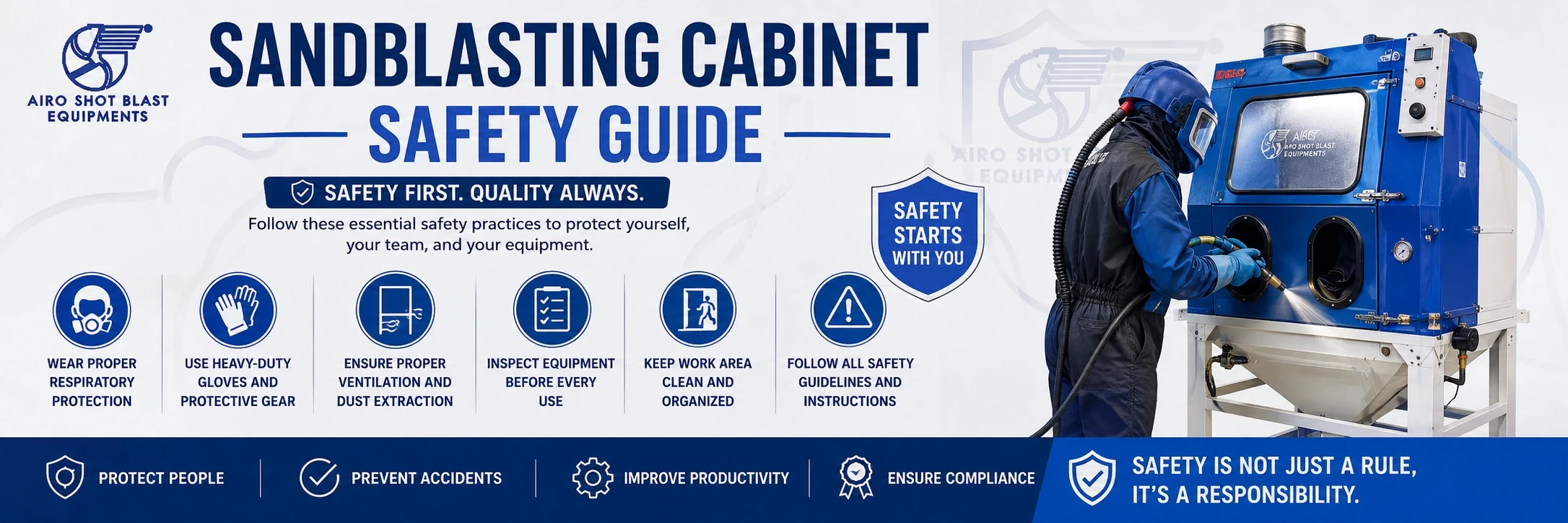
Even though blasting cabinets are enclosed systems, operators should always use appropriate sand blasting safety equipment. Recommended PPE includes:
- Safety Glasses: Eye protection provides an additional safety layer when loading, unloading, or maintaining equipment.
- Respiratory Protection: Respirators may be required during maintenance procedures involving dust exposure.
- Hearing Protection: Earplugs or earmuffs help reduce exposure to excessive noise levels.
- Protective Gloves: Durable gloves protect hands when handling abrasive media and workpieces.
- Safety Footwear: Proper footwear reduces the risk of slips, trips, and impact injuries.
Using appropriate PPE helps create a safer workplace while supporting regulatory compliance.
Importance of a Sandblast Cabinet Dust Collector
Effective dust management is one of the most critical aspects of cabinet blasting safety.
A sandblast cabinet dust collector continuously removes airborne particles generated during sand blasting machine operations. Without adequate dust extraction, visibility decreases, abrasive efficiency declines, and airborne contaminants may accumulate within the workspace.
Benefits of proper dust collection include:
- Improved visibility
- Enhanced operator safety
- Better blasting performance
- Reduced contamination
- Cleaner work environment
Regular inspection and maintenance of filtration systems ensure consistent performance.
Daily Equipment Inspection Procedures
Routine inspections help identify potential issues before they become serious safety hazards. Before starting operations, operators should inspect:
- Cabinet Seals: Damaged seals may allow dust and abrasive media particles to escape.
- Viewing Window: Cracked or heavily worn windows reduce visibility and should be replaced promptly.
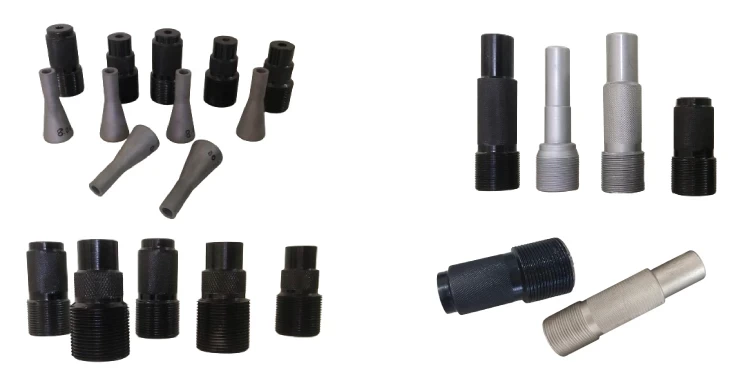
- Blast Nozzle Components: Check for wear, damage, or blockages that could affect blasting performance.
- Gloves: Inspect cabinet gloves for tears, punctures, or excessive wear.
- Air Connections: Verify that all compressed air connections are secure and leak-free.
Performing these inspections daily helps maintain safe operating conditions.
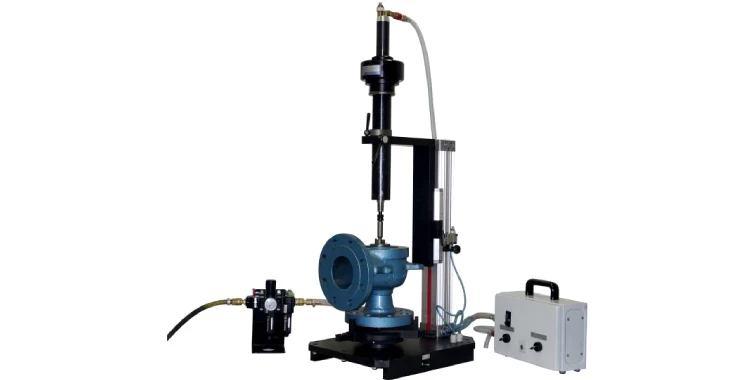
For more info about the Vaccum blasting machine, visit our website.
Safe Operation of a Small Sandblasting Cabinet
A small sandblasting cabinet may occupy less space, but safety requirements remain equally important. Operators should:
- Avoid overloading the workspace.
- Ensure adequate lighting.
- Maintain clear visibility throughout blasting.
- Follow recommended pressure settings.
- Keep ventilation systems operating correctly.
Compact cabinets are commonly used in workshops and maintenance facilities where attention to safety is especially important due to limited workspace.
Benefits of a Sand Blast Cabinet with Dust Collector
A sand blast cabinet with dust collector provides integrated dust management, improving both safety and productivity. Integrated systems offer:
- Continuous dust extraction
- Improved operator visibility
- Reduced airborne particles
- Better abrasive recovery
- Lower maintenance requirements
This combination has become the preferred configuration for modern blasting operations.
Safe Handling of Abrasive Media
Different abrasive materials require specific handling procedures. General best practices include:
- Store Abrasives Properly: Keep abrasive media dry and protected from contamination.
- Avoid Mixing Media Types: Combining incompatible abrasives can affect blasting performance and surface finish quality.
- Inspect Media Regularly: Replace contaminated or excessively broken-down abrasive materials.
- Follow Manufacturer Recommendations: Use only approved abrasive media suitable for the equipment and application.
Proper abrasive management improves both safety and operational efficiency.
Safety Considerations for an Industrial Sandblasting Cabinet
An industrial sandblasting cabinet is often used in high-volume production environments where continuous operation is common. Additional safety measures may include:
- Scheduled preventive maintenance
- Operator certification programs
- Automated safety interlocks
- Emergency stop systems
- Dust monitoring procedures
Industrial facilities should establish documented safety protocols and ensure employees receive ongoing training.
Maintaining Visibility During Sand Blasting
Clear visibility is essential for safe and effective abrasive blasting cabinet operations. Operators can improve visibility by:
- Replacing worn window protectors.
- Maintaining dust collection systems.
- Using adequate cabinet lighting.
- Monitoring abrasive condition.
- Cleaning inspection windows regularly.
Poor visibility increases the likelihood of operational errors and reduces blasting efficiency.
Safety Tips for a Mini Sand Blast Cabinet
A mini sand blast cabinet is often used for precision blasting applications involving small components.
Because of its compact size, operators should pay particular attention to:
- Proper lighting.
- Correct abrasive blasting media selection.
- Controlled blasting pressure.
- Careful workpiece positioning.
- Regular cleaning of viewing surfaces.
These precautions help maintain accuracy while ensuring safe operation.
Best Practices for a Commercial Sandblasting Cabinet
A commercial sandblasting cabinet is designed for frequent professional use. To maintain safe operation, businesses should implement structured maintenance and training programs. Recommended practices include:
- Employee Training: Operators should understand equipment operation, maintenance requirements, and emergency procedures.
- Scheduled Maintenance: Routine servicing helps prevent unexpected failures and downtime.
- Safety Documentation: Maintain written operating procedures and inspection records.
- Equipment Upgrades: Replace worn components promptly to maintain safe operating conditions.
These practices contribute to improved productivity and workplace safety.
Industry Standards Supporting Safe Blasting Cabinet Operations
Several organizations provide guidance related to abrasive blasting safety and surface preparation practices. These include:
- OSHA safety regulations
- NIOSH occupational health recommendations
- ISO surface preparation standards
- AMPP protective coating guidelines
Following recognized standards helps businesses improve safety performance while supporting regulatory compliance.
We are a leading manufacturer and supplier of high-performance sand blasting cabinets, offering a comprehensive range of equipment designed for efficient surface preparation and finishing. Our product portfolio includes sand blasting cabinets, shot blasting machines, grit blasting machines, sand blasting rooms, blasting nozzles, automatic sand blasting cabinets, large industrial blasting cabinets, bench-top sand blasting cabinet, manual blasting cabinets, and customized abrasive blasting machines. Engineered for durability, precision, and superior performance, our products serve diverse industries across India and worldwide.
Safe abrasive blasting requires more than simply operating equipment correctly. Proper training, routine inspections, effective dust management, personal protective equipment, and adherence to industry standards all play essential roles in maintaining a safe workplace. Whether using a compact workshop unit or a large industrial system, following a comprehensive Sandblasting Cabinet Safety Guide helps protect operators, improve equipment reliability, and ensure consistent blasting performance. By prioritizing safety at every stage of the blasting process, businesses can achieve higher productivity, better surface preparation results, and long-term operational success.