Abrasive Blasting Operations
Safety Standards for Abrasive blasting operations are one of the most effective methods for cleaning, preparing, and finishing metal surfaces, castings, fabricated components, machinery parts, and industrial equipment. Abrasive blasting operations are widely used for rust removal, paint stripping, scale removal, deburring, surface texturing, and coating preparation in manufacturing, fabrication, foundry, automotive, marine, and maintenance industries. However, while abrasive blasting delivers excellent surface preparation results, it also introduces significant health and safety risks if the process is not controlled properly.
Abrasive Blasting Safe Work Procedures
Dust exposure, rebounding abrasive particles, high-pressure equipment, noise, poor ventilation, and unsafe handling practices can all create hazards for operators and nearby workers. That is why abrasive blasting safe work procedures are not optional; they are essential for protecting workers, maintaining compliance, improving productivity, and preventing costly incidents.
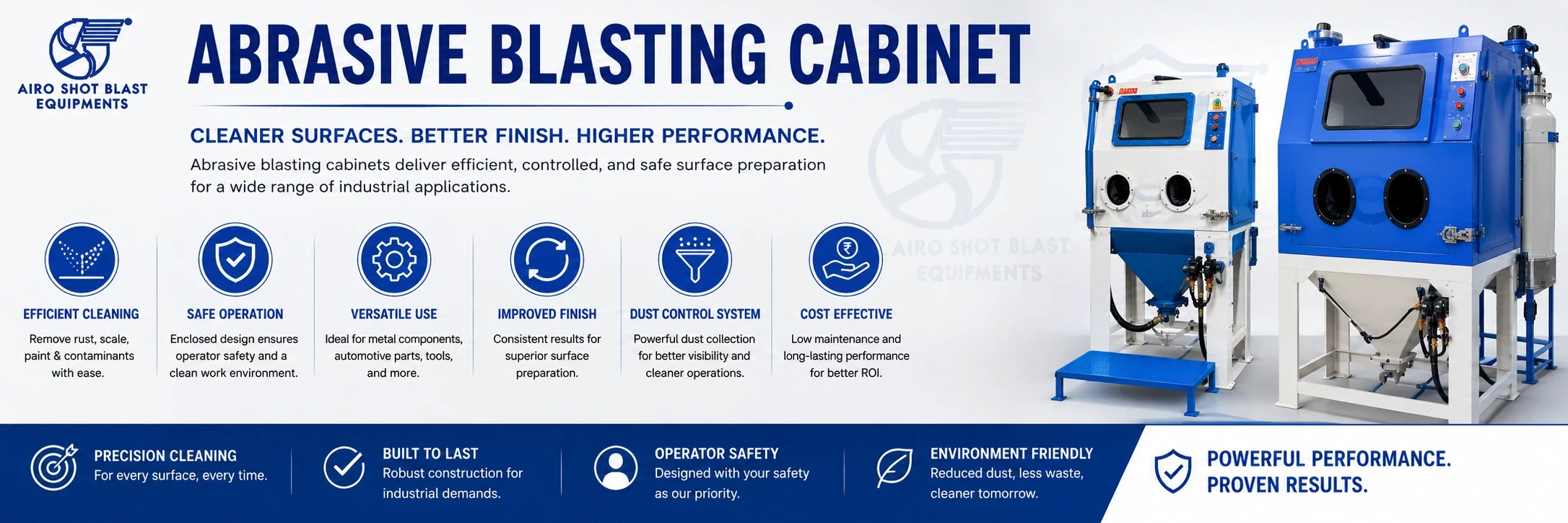
For more info about the pressure sand blasting cabinet, visit our webpage.
This guide explains the most important safety standards and best practices for abrasive blasting operations, including safe work procedures, hazard controls, personal protective equipment, ventilation, housekeeping, and site-level planning for sand blasting cabinets, room blasting, and manual sandblasting applications.
Why Safety Standards Matter in Abrasive Blasting
Abrasive blasting looks straightforward from a distance: compressed air or other pressurized abrasive blasting media propels abrasive particles against a surface to remove contamination or create a surface profile. In reality, the process can generate a combination of airborne dust, high-velocity particles, noise, and equipment hazards. Depending on the substrate and abrasive used, blasting dust may contain fine particulate matter, silica, paint residues, rust, metal fragments, or other harmful contaminants.
Without proper control measures, blasting operations can expose workers to:
- Respiratory hazards from dust and airborne contaminants
- Eye and face injuries from rebounding abrasive particles
- Skin injuries caused by direct blast contact
- Hearing damage from high noise levels
- Slip, trip, and housekeeping hazards from spent abrasive media and dust buildup
- Hose whip or pressure-related incidents from damaged equipment
- Reduced visibility in poorly ventilated blasting areas
- Cross-contamination of nearby workspaces and equipment
A good safety program does more than prevent accidents. It also supports better blasting quality, cleaner work areas, improved equipment life, and more consistent production performance.
Understanding the Main Hazards in Abrasive Blasting
Before building a safety program, it is important to understand the hazards that abrasive blasting can create in day-to-day industrial use.
Dust and Respiratory Exposure
Dust is often the biggest health concern in blasting work. The dust generated during blasting is not only made up of broken abrasive media. It can also contain particles from the surface being blasted, such as rust, scale, old coatings, metal contamination, or residues from previous processing.
In sandblasting or abrasive blasting machine operations, airborne dust can become particularly dangerous when it contains fine respirable particles. These particles can remain suspended in the air and be inhaled by operators, helpers, maintenance workers, or nearby personnel if the work area is not isolated and ventilated properly.
High-Velocity Particle Impact
Abrasive blasting uses a high-speed stream of media, which means rebounding particles can injure the operator or bystanders if protective equipment and work controls are inadequate. Eye injuries, skin cuts, bruising, and embedded particles are all possible when blasting is carried out carelessly or when protective gear is incomplete.
Noise Exposure
Blasting nozzles, compressed air discharge, dust collectors, blast cabinets, and impact noise can create high sound levels. Long-term exposure without hearing protection may lead to permanent hearing damage, especially in enclosed blasting rooms or production areas where blasting is performed frequently.
High-Pressure Equipment Risks
Pressure blasting systems, blast pots, hoses, and compressed air lines operate under significant pressure. Damaged hoses, poor couplings, improper shutdown procedures, or accidental nozzle release can lead to sand blasting hose whip, sudden discharge, or equipment failure.
Visibility and Housekeeping Problems
Dust clouds, spent abrasive on the floor, and poor cleanup practices can create unsafe conditions. Reduced visibility affects operator control and quality, while accumulated media and dust can increase slip hazards and secondary exposure during cleanup.
Core Safety Standards for Abrasive Blasting Operations
A safe blasting setup is built around a combination of engineering controls, work procedures, PPE, equipment maintenance, and worker training. The following safety principles form the foundation of good blasting practice.
1. Conduct a Hazard Assessment Before Starting Abrasive Blasting Work
Every abrasive blasting task should begin with a hazard assessment. This step helps determine what risks are present and what controls are needed before blasting starts.
A pre-job assessment should consider:
- What material is being blasted
- What coating, contamination, or rust is being removed
- Which abrasive media will be used
- Whether the work is inside a cabinet, an abrasive sand blasting room, or an open area
- Whether silica-containing dust, paint residue, or metal contamination may be generated
- What level of ventilation and dust control is available
- Which workers may be exposed in the surrounding area
- Whether confined space or hot-work concerns apply
This evaluation helps the employer or supervisor decide the correct PPE, ventilation, isolation, and cleanup plan for the job.
2. Use Engineering Controls First, Not PPE Alone
One of the most important principles in blasting safety is that hazards should be controlled at the source whenever possible. PPE is important, but it should not be the only line of defense.
Examples of engineering controls include:
- Sealed blasting cabinets for smaller parts
- Properly ventilated blasting rooms for larger components
- Local exhaust ventilation and dust collection systems
- Negative-pressure enclosures to reduce dust escape
- Wet blasting methods are appropriate to reduce airborne dust
- Abrasive recovery systems that minimize dust spread and manual handling
The goal is to reduce the amount of dust, debris, and contamination entering the breathing zone of workers and spreading into nearby work areas.
3. Establish Clear abrasive blasting safe work procedures
A written safe work procedure creates consistency and reduces the chance of unsafe shortcuts. It also helps new operators understand the correct sequence of preparation, blasting, shutdown, and cleanup.
A practical abrasive blasting safe work procedure should include:
Before abrasive blasting
- Inspect the blast pot, sand blasting hose, sand blasting hose couplings, sand blasting nozzle, air line, and controls
- Check the cabinet, room, or enclosure for leaks, damaged seals, and poor visibility
- Confirm that dust collection and ventilation systems are operating
- Verify that the correct abrasive media is loaded and dry
- Remove unauthorized people from the blasting zone
- Put on the required PPE before entering the work area
During abrasive blasting
- Never point the blast nozzle at any person
- Maintain firm control of the sand blasting nozzle at all times
- Use the correct pressure setting for the task
- Stop work if visibility becomes poor or ventilation fails
- Watch for hose wear, leaks, or unstable fittings
- Keep communication clear between the operator, pot tender, and supervisor
After abrasive blasting
- Shut down pressure safely before disconnecting equipment
- Clean the area using approved methods such as vacuuming or controlled recovery
- Do not dry-sweep dust where hazardous particles may be present
- Inspect the equipment for wear or damage before storage
- Remove contaminated PPE carefully to avoid spreading dust
A written procedure should also explain emergency shutdown, incident reporting, and who is authorized to operate the equipment.
4. Sandblasting Safe Work Procedure for Cabinet and Manual Blasting
Although cabinet blasting is generally more controlled than open blasting, it still requires a formal procedure. Operators may be exposed during cabinet cleaning, media loading, filter maintenance, glove replacement, and dust collector servicing.
A sandblasting safe work procedure should cover both blasting and non-blasting tasks, such as:
- Loading and unloading parts safely
- Preventing overreach or awkward positioning inside the cabinet
- Using gloves and viewing windows in good condition
- Allowing dust to clear before opening a blasting cabinet or room
- Wearing respiratory protection during cabinet cleanout if dust exposure is possible
- Isolating power and pressure before maintenance or repairs
- Managing spent abrasive and contaminated waste safely
In pressure blasting operations outside a cabinet, the procedure should also address barricading the work area, warning signs, safe hose routing, and keeping other workers out of the blasting zone.
5. Select the Right PPE for the Blasting Method and Hazard Level
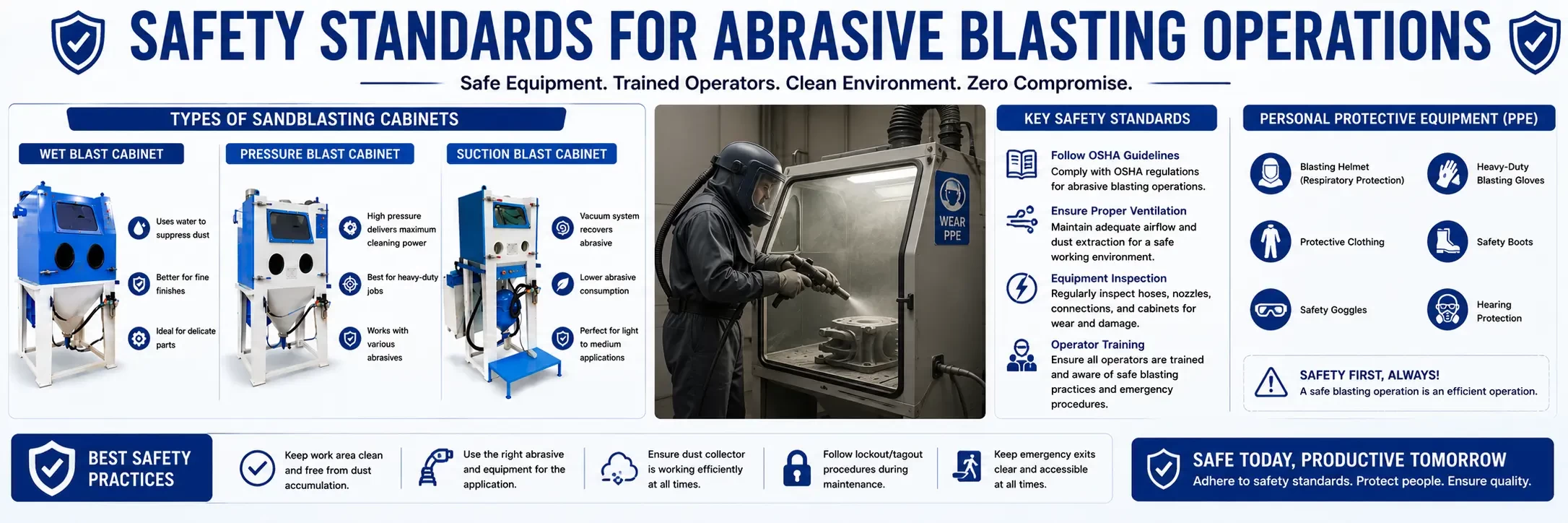
Personal protective equipment should be selected based on the blasting method, enclosure type, abrasive media, contamination risk, and air monitoring results, where applicable. PPE should protect the worker from both impact hazards and inhalation hazards.
Typical blasting PPE may include:
- Abrasive blasting helmet or hood
- Respiratory protection suitable for the dust and exposure level
- Eye and face protection, if not already integrated into the sand blasting helmet
- Hearing protection
- Heavy gloves and protective clothing
- Safety shoes or boots
- Aprons or body protection where the rebounding abrasive is severe
For enclosed blasting rooms, higher levels of respiratory and head protection may be required than for occasional light-duty cabinet work. PPE must fit properly, be maintained in good condition, and be used consistently.
6. Control Dust with Ventilation and Isolation
Ventilation is a central safety requirement in abrasive blasting because it affects both worker exposure and process visibility. A blasting area should never be allowed to fill with airborne dust while work continues.
Good ventilation practice includes:
- Exhausting dust from the blasting enclosure or room
- Maintaining negative pressure where appropriate
- Using dust collectors designed for abrasive blasting applications
- Preventing dust leakage into adjacent work areas
- Cleaning or replacing filters on schedule
- Verifying airflow performance, not just assuming the system is working
Blasting should be stopped if ventilation fails or visibility drops to an unsafe level. Operators should never continue blasting “just to finish the job” in a clouded enclosure.
7. Inspect Hoses, Nozzles, Valves, and Pressure Equipment Regularly
Blasting equipment operates under demanding conditions. Hoses wear internally, couplings loosen, nozzles erode, and remote control valves can malfunction. A small defect in a pressure blasting system can quickly become a serious safety issue.
Routine inspection should cover:
- Blast hose wear, cracks, and soft spots
- Coupling security and safety pins
- Nozzle wear and retention
- Pot condition and pressure integrity
- Deadman controls or shutoff controls
- Moisture separators, regulators, and air supply quality
- Cabinet gloves, door seals, and viewing window protection
Equipment with known defects should be removed from service until repaired.
8. Train Operators, Helpers, and Maintenance Staff
Abrasive blasting safety is not only the responsibility of the main operator. Pot tenders, cabinet cleaners, maintenance workers, supervisors, and nearby personnel may all be exposed if they do not understand the hazards.
Training should cover:
- Blasting hazards and exposure routes
- PPE selection, use, and limitations
- Startup and shutdown procedures
- Sand blasting hose and sand blasting nozzle safety
- Ventilation and abrasive blasting dust collector checks
- Emergency response and reporting
- Waste handling and housekeeping
- Safe cleanup of spent abrasive and dust
Refresher training is important when new media, new equipment, or new blasting locations are introduced.
9. Use Safe Housekeeping and Waste Handling Practices
Poor housekeeping can undo many of the benefits of a good blasting system. Spent abrasive media, paint debris, dust, and contaminated waste should be collected and removed in a controlled way.
Best practice includes:
- Cleaning blasting residue daily or as soon as practical
- Using industrial vacuum systems or approved recovery methods
- Avoiding dry sweeping when hazardous dust may become airborne
- Storing used abrasive and waste in suitable containers
- Keeping walkways clear of media buildup
- Separating contaminated waste if coatings or hazardous residues are involved
Good housekeeping protects both the blasting crew and other workers who may enter the area later.
For more info about the sandblasting cabinet manufacturer, visit our webpage.
10. Build Safety Into Production Planning
Blasting safety works best when it is built into the job plan rather than added at the last minute. Production teams, supervisors, maintenance staff, and EHS personnel should work together to plan the blasting process, the location, the schedule, and the control measures before work starts.
This is especially important when:
- Blasting large fabricated parts
- Working near other production lines
- Cleaning coated structures or used equipment
- Blasting in a room with multiple workers
- Performing shutdown maintenance in a plant environment
- Using contract labor or temporary operators
Planning helps prevent rushed setups, poor barricading, missing PPE, and dust exposure to unrelated workers.
Safety standards for abrasive blasting operations are essential because blasting is not just a cleaning process; it is a high-energy industrial activity that can expose workers to dust, noise, pressure hazards, rebounding particles, and contaminated waste if it is not controlled properly. A safe blasting schedule starts with hazard assessment and continues through engineering controls, written procedures, correct PPE, ventilation, equipment inspection, operator training, and disciplined housekeeping.
Whether the work involves a cabinet sand blasting machine, a pressure blasting room, or manual surface preparation on industrial components, the safest operation is the one that treats blasting as a controlled process rather than a simple maintenance task. Businesses that follow strong abrasive blasting safe work procedures and a practical sandblasting safe work procedure not only protect workers, but they also improve process consistency, reduce downtime, and create a more professional surface preparation operation overall.